The Komáromi Klapka György Múzeum
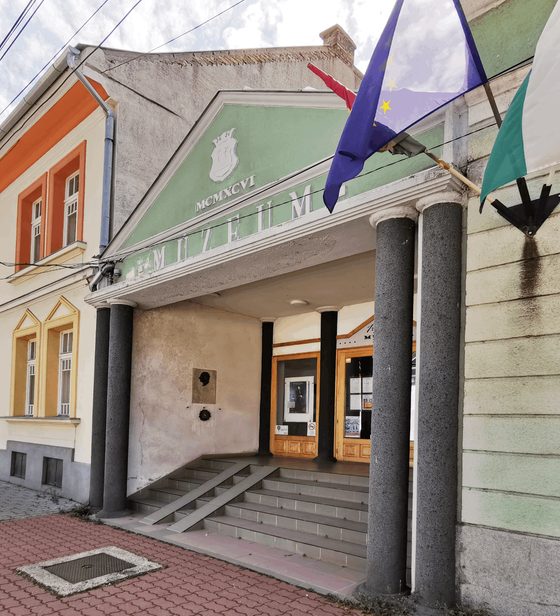
The Komáromi Klapka György Múzeum (Komárom, Hungary) holds the largest public collection of György Rauscher’s work and is the institutional centre of Rauscher scholarship. Its director, Számadó Emese, wrote the 2019 catalogue that this archive draws on throughout.
The collection is the documentary heart of Rauscher’s surviving oeuvre, and the museum is the natural first stop for any institution or scholar seeking access to his work. The archive is indebted to her scholarship and to the museum’s care of Rauscher’s work.
The collection
The museum’s Rauscher holding is ten original paintings, together with a set of thirteen reproductions made in 1930 (/bibliography#szamado-2019, p. 4). It was built over decades: gifts from the painter’s brother László Rauscher during his lifetime, the bequest of the studio estate’s remainder on László’s death in 1997, and one purchase. László was childless and held the estate for almost seventy years, so most of the museum’s paintings came to it by descent through the family, straight from Rauscher’s studio.
Rauscher’s work has been shown in the museum’s anniversary exhibitions, including the 2019-2020 ninetieth-anniversary programme that accompanied the catalogue, and the core collection is now displayed at the Brigetio Heritage Visitor Centre in Komárom.
Visitors wishing to see the collection should contact the museum directly at [email protected].
Számadó Emese’s scholarship
Számadó Emese, the museum’s director, wrote the 2019 catalogue Rauscher György, az új tárgyiasság és a gáláns világ festője (“Rauscher György, painter of the new objectivity and the gallant world”), published by the museum as volume XXVIII of its catalogue series (ISBN 978-615-5588-11-2). It builds on and consolidates the earlier scholarship of Gálig Zoltán and Dr. Zsembery Dezső, reproduces the full 118-work catalogue of the 1935 Nemzeti Szalon estate exhibition, and is the source against which this archive checks every claim.
It is the first source in the archive’s source hierarchy and is cited throughout the /bibliography.
A personal note
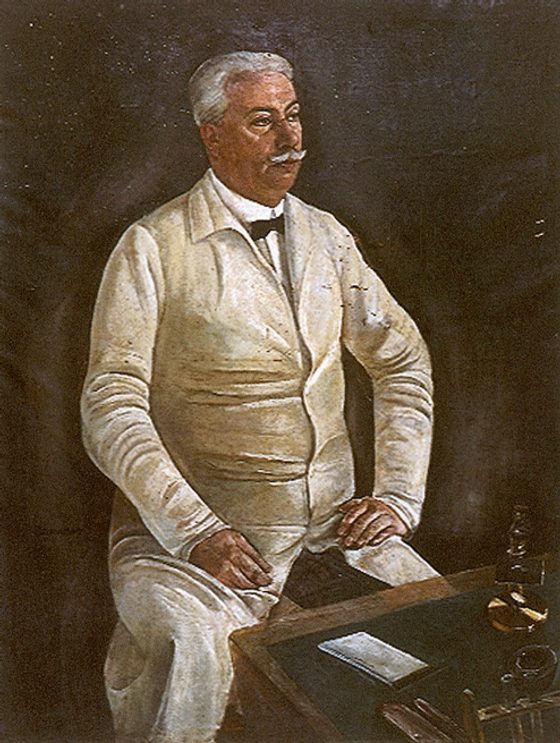
As the painter’s grand-nephew, I visited the museum in September 2020 and met Számadó Emese. It was a moving experience to see the care and love dedicated to his works, and to see some of his best-known paintings in person, including the large-format Apám.